

When is a tourist trap not a tourist trap? It depends on who you ask. It’s sort of like one man’s trash is another man’s treasure. Think of a favorite place you visited on your last trip. Is it over-hyped? Is there really anything to do and see there? Is it overrun with visitors? Does it overflow with over-priced trinkets for sale? If so, it just might be a tourist trap.
“Tourist traps are often chided for their commercialized nature, steep prices, and lack of authenticity,” says Max Woolf from photoAiD. “Yet, they are still a HUGE draw for travelers.”
Woolf uses Paris, France’s Eiffel Tower as an example, and I agree. Locals tend to shun the place while it would be hard for those traveling aboard to not go there. I had the chance to visit Paris a few years ago and it was on the top of my list of sites to see for sure. It’s magnificent and the view from the top is breathtaking. However, down below, you’ll find lots of opportunists trying to sell you miniature Eiffel Tower keychains.
PhotoAiD surveyed over 1,000 Americans to get their views and opinions on which places on their list were the “most trappy”. According to the study, there a number of factors that were considered when labeling a trap for tourists. The study focused on seven of them. Interestingly, these factors were fairly equal in size. Here are what people polled said:
Tourist traps…
…can be marked by one with a low attendance or avoidance by locals.
… are places that feature amenities primarily designed for tourists.
… offer a lack of cultural or historical authenticity.
… feature high levels of foot traffic.
… offer aggressive promotion or sales tactics.
… feature an abundance of souvenir or gift shops.
The study also found that on their latest tourist trap visit, nearly 70% of the people polled found that in general, tourist traps either diminished or significantly diminished their enjoyment compared to just under 13% who said that their enjoyment was enhanced or significantly enhanced. (The remaining 18% chose to stay neutral on the matter.)
So which places ranked highest for being the “most trappy?” Here is how seven global locations ranked followed by seven more U.S. locations.
Global Tourist Trap Locations
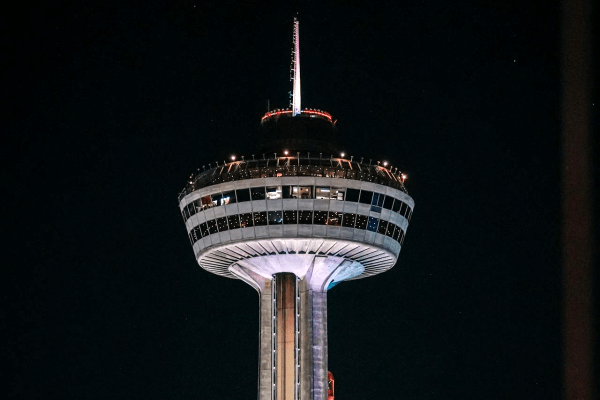
1. Skylon Tower (Niagara Falls, Canada)
Similar to Seattle’s Space Needle, the Skylon Tower observation building overlooks both the American Falls in New York, NY and Horseshoe Falls in Ontario, Canada. It stands 520 feet tall. The three elevators can make it to the top in 52 seconds leading to two restaurants including the simply named, Revolving Dining Room.
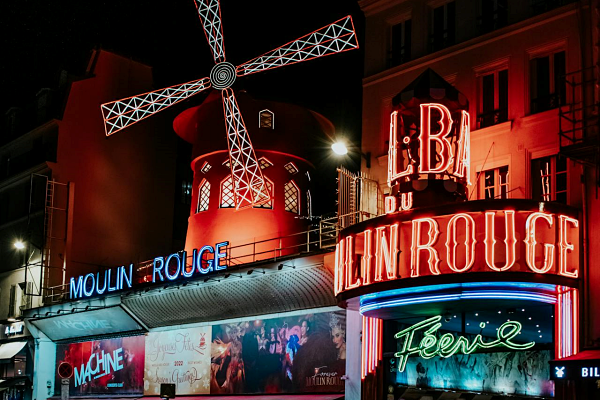
2. Moulin Rouge (Paris, France)
Built in 1889, this “Red Mill” was a cabaret found on Boulevard de Clichy at Place Blanche. The original Moulin Rouge establishment was destroyed by fire in 1915. It was rebuilt in 1921. Moulin Rouge is known as the birthplace of the can-can dance and it inspired other cabarets across Europe.
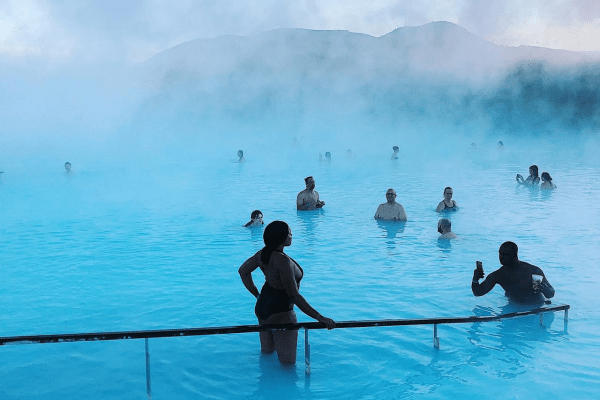
3. Blue Lagoon (Grindavik, Iceland)
The Blue Lagoon is a geothermal spa is located in a lava field 3.1 miles from Grindavik. Studies from the 1990’s confirmed that the water has a beneficial effect for people with psoriasis. Due to a volcanic eruption, the spa had closed many times in 2023 having just recently re-opened in early April, 2024.
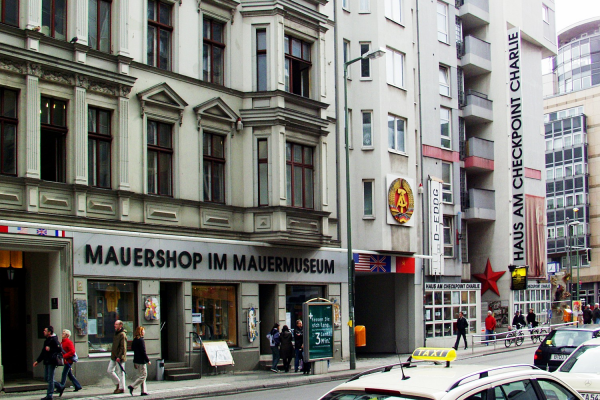
4. Checkpoint Charlie (Berlin, Germany)
Checkpoint Charlie is known as a Berlin Wall crossing point between East Berlin and West Berlin during the Cold War (from 1947-1991). The name “Charlie” comes from the letter C in the NATO phonetic alphabet. It features a museum featuring photos and an exhibition on escape vehicles.
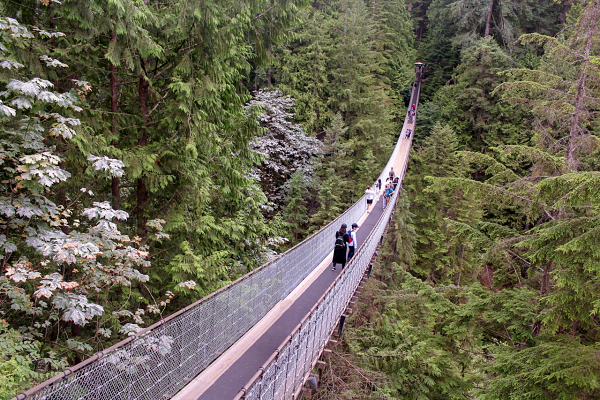
5. Capilano Suspension Bridge (Vancouver B.C.)
Built in 1889, the Capilano Suspension Bridge crosses the Capilano River in Upper Capilano, B.C. in North Vancouver. It is 460 feet long and rises 230 feet above the river. The site also features a “Cliffwalk” attraction which was added in 2011.
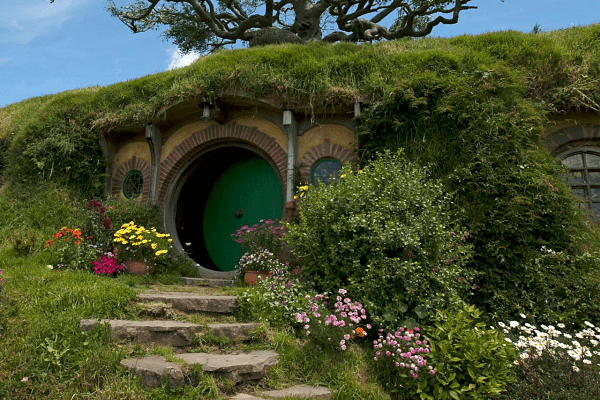
6. Hobbiton Movie Set (Waikato, New Zealand)
Both the Lord of the Rings and The Hobbit movie franchises from the 1990’s was filmed at Hobbiton, a family-run farm serving as a Tolkien tourism destination with guided tours. There are 44 hobbit holes to see, but only a few can be entered.
7. Guinness Storehouse (Dublin, Ireland)
Located at St. James Gate Brewery, the Guinness Storehouse opened in 2000 featuring seven floors of artifacts and exhibits about the Guinness brand. The top floor features the Gravity Bar. A pint of the beer is included with the price of admission.
And in the United States…
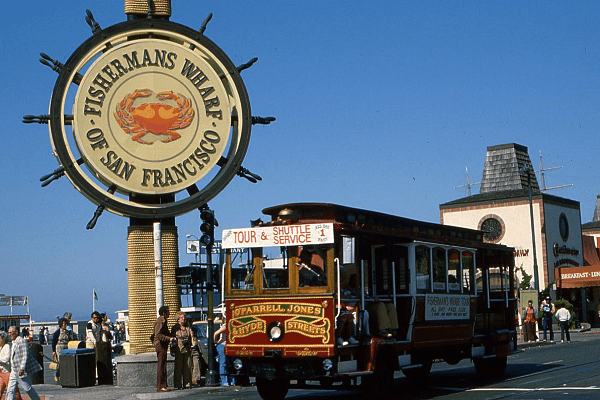
1. Fisherman’s Wharf (San Francisco, CA)
Built in 1884, Fisherman’s Wharf is known as a hot spot of tourist attractions including Ghirardelli Square, Ripley’s Believe it or Not Museum, Madame Tussaud’s Wax Museum and the floating Forbes Island restaurant.
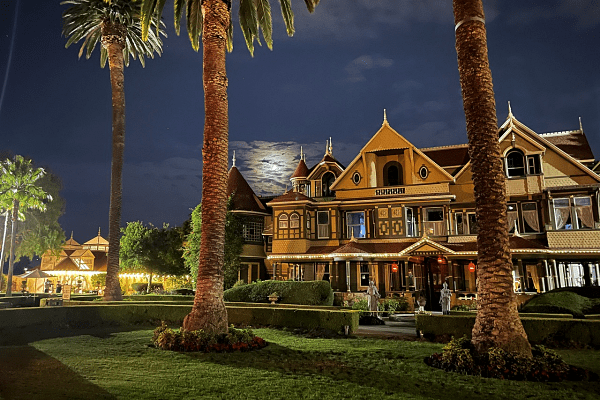
2. Winchester Mystery House (San Jose, CA)
This Victorian mansion was once the home of Sarah Winchester, the widow of William Wirt Winchester, treasurer of the Winchester Repeating Arms Company. Fearing evil spirits, Sarah was continually rebuilding the Winchester Mystery House until her death in 1922. It features 160 rooms, 2,000 doors and 10,000 windows and a lot of spookiness.
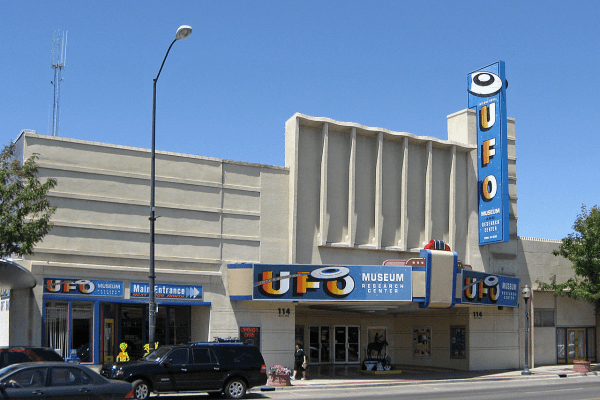
3. International UFO Museum and Research Center (Roswell, NM)
Located in a former movie theater, the International UFO Museum and Research Center opened in 1991. It features a library and exhibits related to UFO’s and alien encounters including theories on the 1947 Roswell UFO incident.
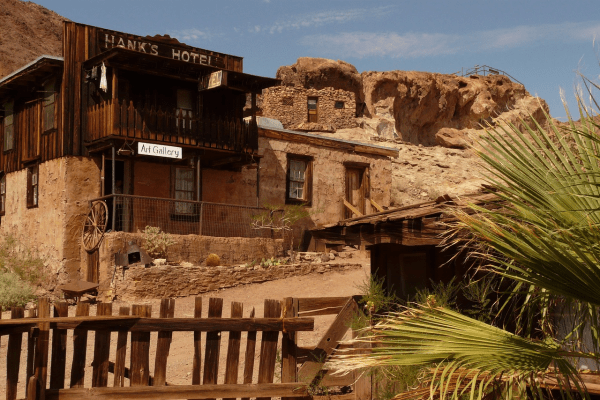
4. Calico Ghost Town (Yermo, CA)
The former mining town Calico in San Bernardino County was founded in 1881. It once had over 500 mines and a population of 1,200 people. By 1907, it was completely abandoned. In 1951, Walter Knott, owner of Knott’s Berry Farm purchased the town.
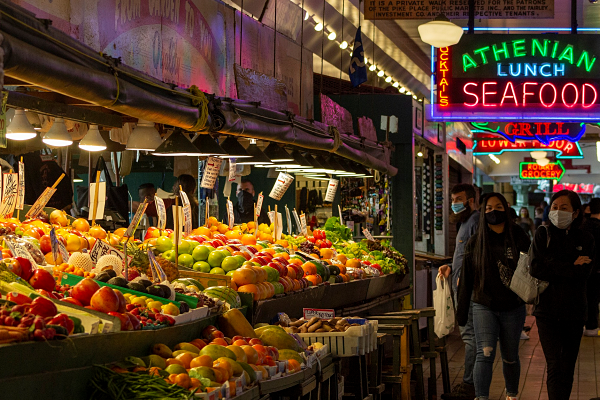
5. Pike Place Market (Seattle, WA)
Originally opened in 1907, Pike Place Market is one the oldest and largest markets in the country. More than 10 million visitors come every year. The market’s fish market is famous for throwing fish and the original Starbucks was founded here.
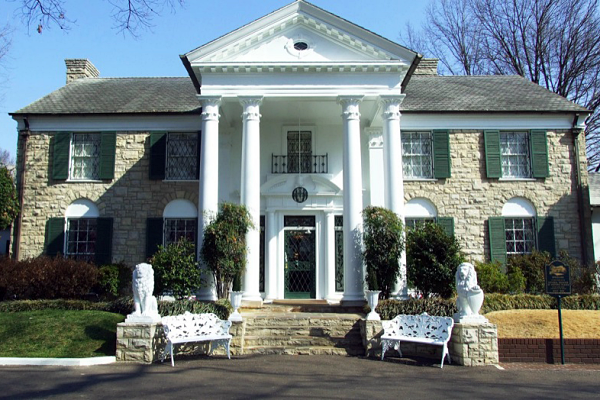
6. Graceland (Memphis, TN)
Graceland is the home of Elvis Presley (he was buried here too). It sits on 13.8 acres. The house has been a museum since 1982 and attracts 650,000 visitors each year. The site features a museum dedicated to the singer, a separate entertainment complex, an automobile museum, restaurants and more.
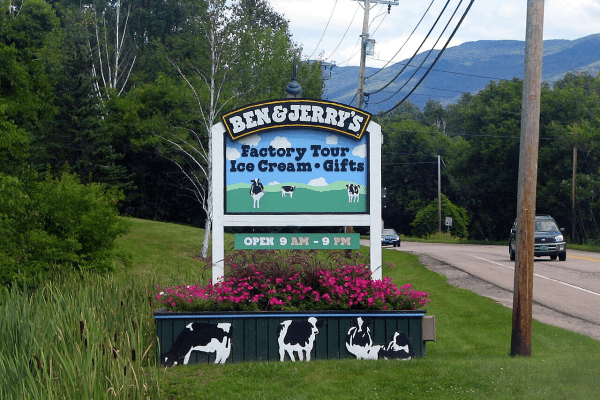
7. Ben & Jerry’s Ice Cream Factory (Waterbury, VT)
Built in 1985, Ben & Jerry’s Ice Cream Factory produces 350,000 pints of ice cream every day. 30-minute guided tours began in 1986. It features a playground, a “flavor room” and a “flavor graveyard” for those flavors that didn’t make it.
Read the complete study to find more information, advice and the methodology used when making this survey.

Leave a comment