
Estimated reading time: 4 minutes
Whether Spam’s name means “spiced ham” or “shoulder pork and ham”, Hormel Foods’ Spam (“The Meat of Many Uses”) was brought to the tables of Americans on this day in pop culture history.
1937- The First Can of Spam
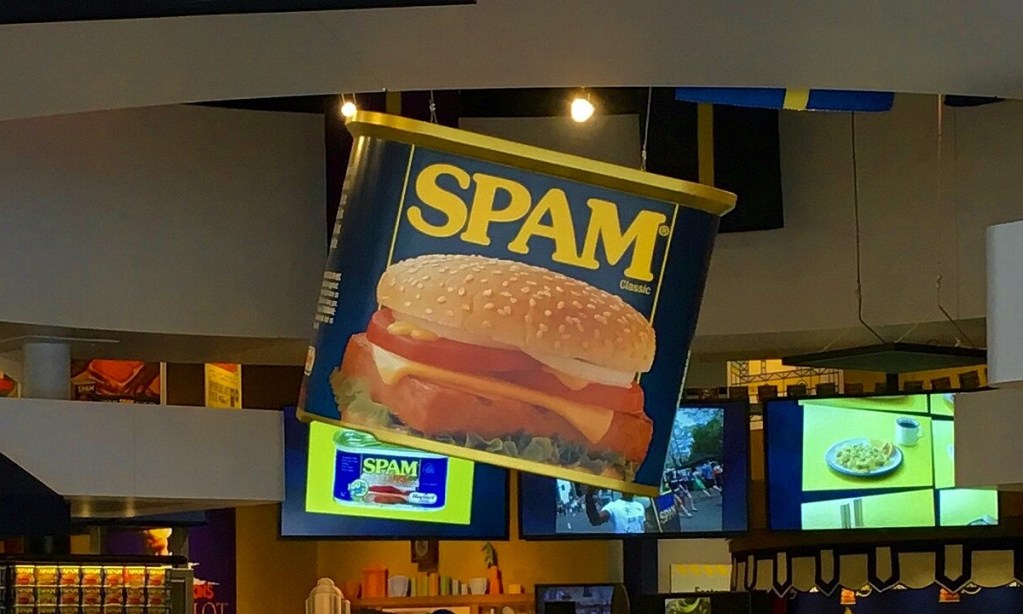
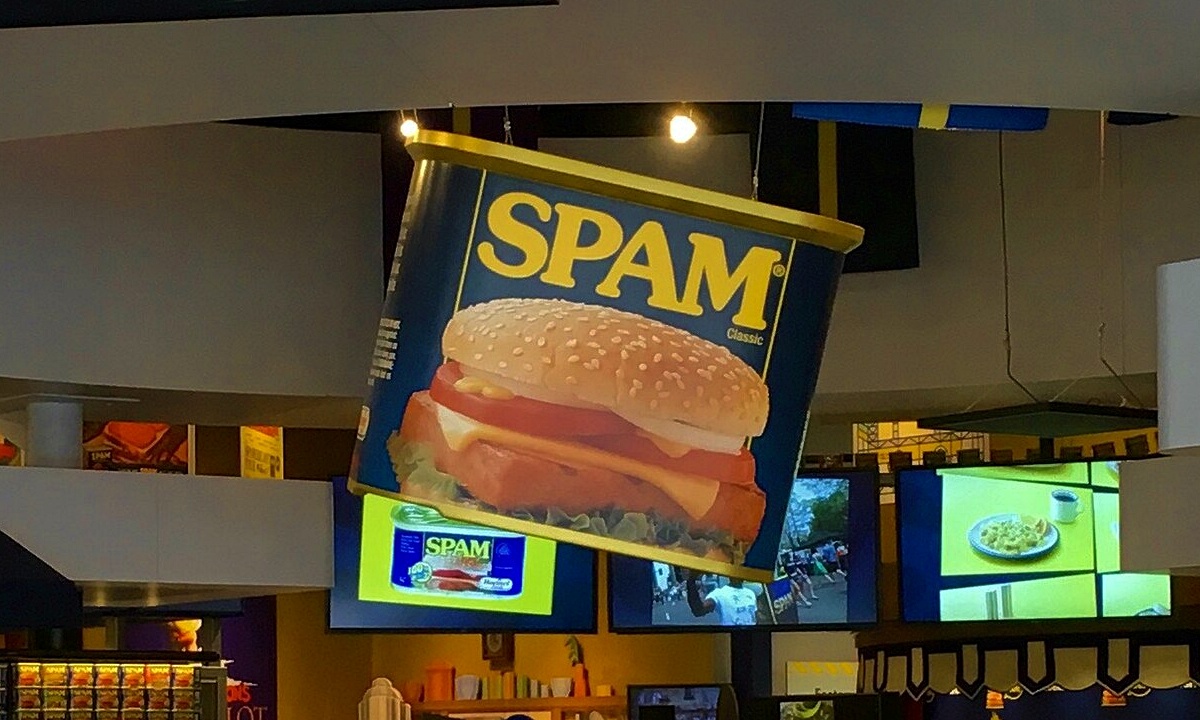
Spam was introduced on this day in 1937 by Hormel Foods as “The Meat of Many Uses!” By 1940, it was estimated that 70 percent of urban Americans were eating Spam on a regular basis and after World War II, the product became known around the world.
Today the canned treat is enjoyed in 44 countries around the world. Contrary to popular belief, Spam is only made from six ingredients: pork with ham, salt, water, potato starch, sugar and sodium nitrite.
According to the Spam website, there are 12.8 cans of Spam products consumed every second. Over nine billion cans of Spam have been sold. Big Ben is 1,163 Spam cans tall, and it would take 415,469,599 cans of the stuff to circle the circumference of the Earth. Need to know more? There is a museum devoted to anything and everything related to the Spam brand in Austin MN.
1946 – The Debut of the Bikini
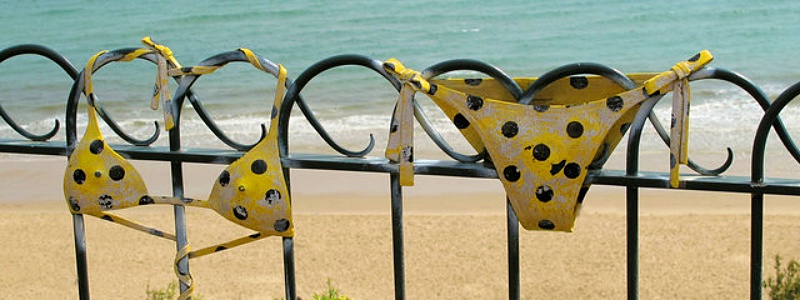
Women wouldn’t dare to bare when they went to the beach until the 1930’s when two-piece bathing suits arrived on the scene. Most were pretty modest made with a halter top and shorts. In 1932, French designer Jasques Heim designed the Atome, with ruffles and bloomers, but women were not ready to reveal their midriff.
In May or June of 1946, Heim tried again with a relaunching of the Atome claiming that it was “the world’s smallest bathing suit.” He was wrong. On this day fashion designer Louis Réard debuted an even smaller suit.
According to The Lingerie Museum, the former automotive engineer invited the press for the unveiling of the Bikini at the Piscine Molitor, a public swimming pool. However, the event almost didn’t happen. Réard had trouble finding a model willing to wear the garment. No model would wear it. However, showgirl Micheline Bernardini was up for the task.
Bernardini donned a newspaper-printed Bikini which freed the navel. Réard stated he was “inspired” by the news-making U.S. atomic test that took place off the Bikini Atoll in the Pacific Ocean earlier that week. The world was in shock. The Bikini was immediately banned in many countries.
While there was a public outcry, Bernardini got some fan mail after the stunt. A lot of fan mail. Over 50,000 men sent letters of approval for his efforts. Even so, in America, the bikini didn’t really take off until 1960. Brian Hyland’s song, “Itsy Bitsy Teenie Weenie Yellow Polk-Dot Bikini” might have had something to do with it.

Movies Released
- 1989: Weekend at Bernie’s
- 2013: The Way, Way Back
- 2016: Dear Eleanor

TV Series Debuts
- 1988: P.O.V.
- 989: Seinfeld
- 1990: Blossom
- 1999: Passions
- 2000: Big Brother
- 2004: UFO Files
- 2005: MTV’s The ’70s House
- 2014: The Creature Commandos
- 2016: Crashletes
- 2017: Snowfall

Famous Birthdays
- 1810: P.T. Barnum (circus creator)
- 1950: Huey Lewis (singer)
- 1963: Edie Falco (actress)
- 1986: Owl City (singer)
Leave a Reply