
Estimated reading time: 4 minutes
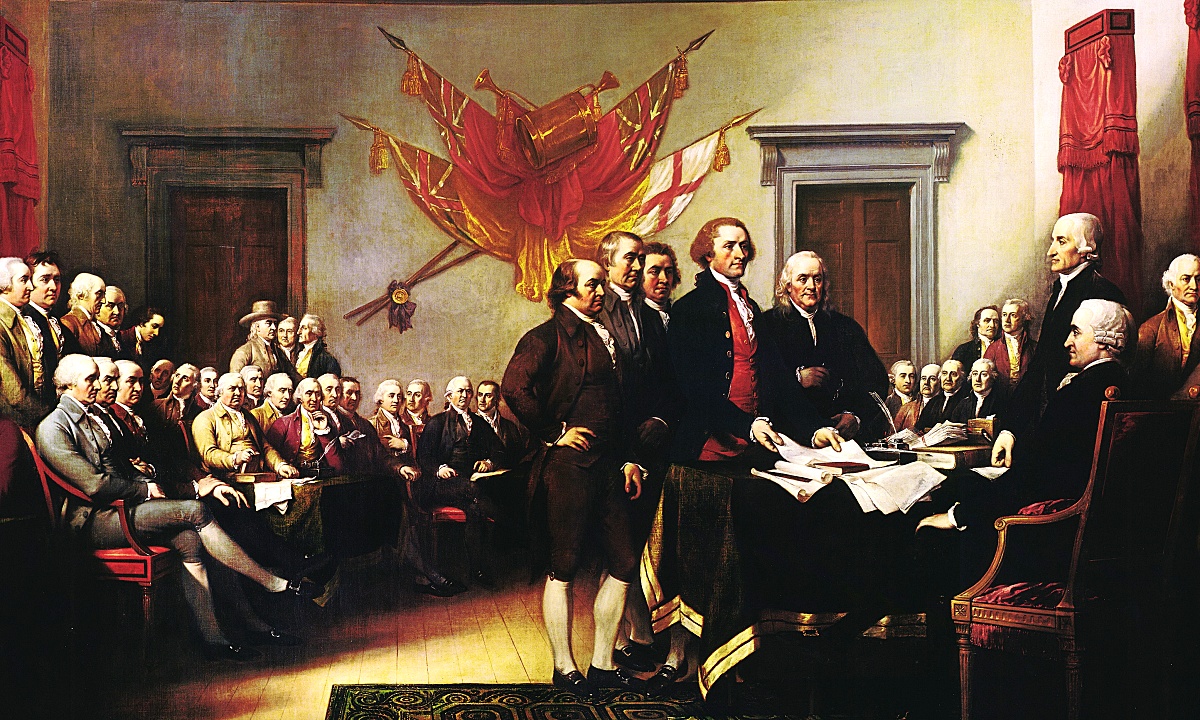
The first Independence Day in 1776 was a little different from what many of us have thought it was. Images of Thomas Jefferson and Benjamin Franklin signing the Declaration of Independence on July 4th are incorrect. Another surprise – the tradition of celebrating the 4th of July with fireworks began on the second Independence Day.
1776 – The Original Independence Day
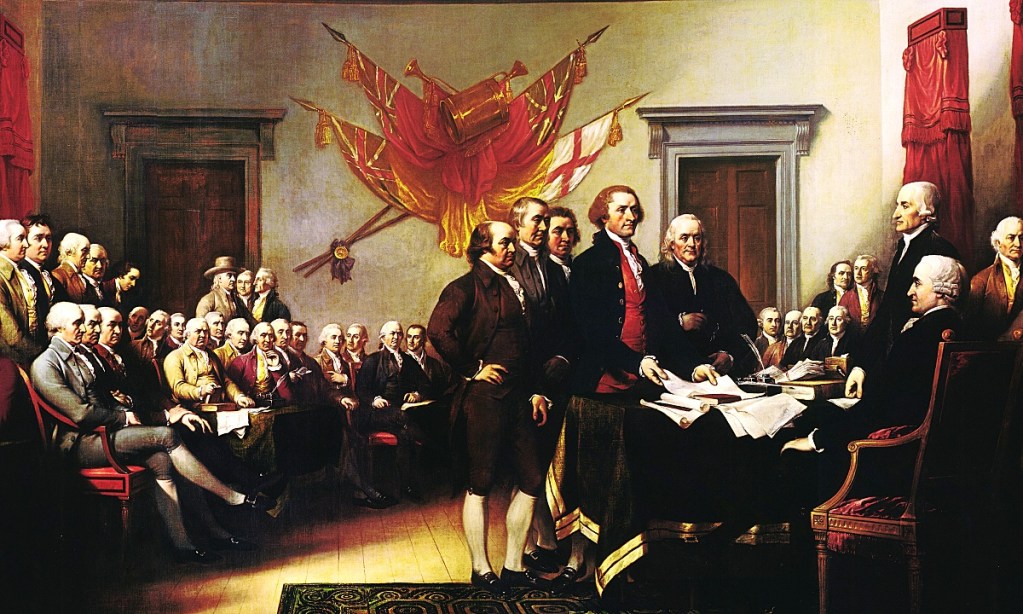
Contrary to popular belief, there was a lot less going on than many people believe happened during the first Independence Day in America. During the month before this historic date, the Colonies’ Second Continental Congress formed a committee to draft an official document that would give the official “Dear John” letter to Great Britain breaking all ties. This committee included Thomas Jefferson, Benjamin Franklin, John Adams, Roger Sherman and Robert R. Livingston. Jefferson wrote the original draft document.
After 86 changes were made to the draft, the Continental Congress officially adopted the final version on this day in 1776. Two days later, The Pennsylvania Evening Post was the first newspaper to publish the Declaration of Independence. The first reading of this document occurred on July 8. However, the document wasn’t actually signed by Congress until August 2 at Independence Hall in Philadelphia.
1777 – The Nation’s First Fireworks

Believe it or not, Congress led the way for the tradition of lighting fireworks on the Fourth of July by authorizing a display on this day in 1777, in Philadelphia, a year after the signing of the Declaration of Independence.
“At night there was a grand exhibition of fireworks, which began and concluded with thirteen rockets on the commons. In Boston, a newspaper reported: “In the evening Col. Crafts illuminated his park on the commons, threw several shells, and exhibited a number of fireworks.”
1862 – Lewis Carroll Shares His ‘Wonderland’ Story for the First Time

Many of us have enjoyed listening to the tales of Alice in her adventures in Wonderland but imagine what it must have been like to hear it from the author himself. It is believed that Charles Lutwidge Dodgson, better known by his pen name Lewis Carroll, shared an outline of his most famous story to Alice Liddell, the daughter of a family friend, on this day in 1862.
On a rowing trip, Dodgson shared with Liddell an outline for his story. Loving the story, she begged him to write it down. After some time, he showed Liddell his handwritten and self-illustrated manuscript which was then known as Alice’s Adventures Under Ground.
The book which became Alice’s Adventures in Wonderland, was published in November of 1865. Since that time, dozens of stage plays have been published based on the book. At least 20 full-length movies have been made. The earliest was the silent film Alice in Wonderland film released in 1903 and the most recent was 2016’s Alice Through the Looking Glass.

Movies Released
- 1969: Once Upon a Time in the West
- 1990: Die Hard 2
- 2001: Cats & Dogs
- 2001: Scary Movie 2
- 2018: The First Purge
- 2019: Above Suspicion
- 2023: Sound of Freedom
- 2024: Space Cadet

TV Series Debuts
- 1980: A Capitol Fourth
- 2002: The Anna Nicole Show
- 2007: Macy’s 4th of July Fireworks Spectacular
- 2014: Franklin and Friends

Famous Birthdays
- 1872: Calvin Coolidge (30th President of the U.S.)
- 1883: Rube Goldberg (cartoonist)
- 1924: Eva Marie Saint (actress)
- 1927: Neil Simon (playwright)
- 1995: Post Malone (singer)
Leave a Reply